Marline: The Script Font with a Heartfelt Touch for Modern Design
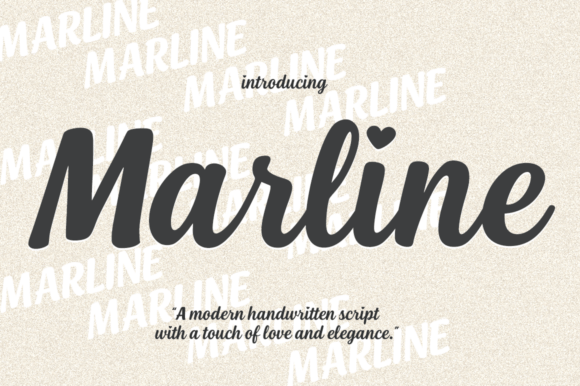
Finding a typeface that feels both personal and polished can be a real challenge. You want something with character, a font that doesn’t just sit on the page but whispers a story. That’s the space Marline occupies so beautifully. It’s a contemporary hand-scribed script that feels carefully crafted, not generated. The smooth contours and subtly bold lines give it a confident presence, while the natural handwriting rhythm introduces a feminine charm and a sense of calm. What truly sets it apart, though, is that charming detail you might miss at first glance: the heart-shaped dot on the lowercase “i.” It’s a small, romantic flourish that injects instant warmth and personality, making Marline far more than just another script font.
Where Marline Truly Shines: From Wedding Invites to Brand Identities
Understanding a font’s personality is one thing; knowing where to apply it is where the real design work happens. Marline isn’t a workhorse for body text; it’s a display font meant for headlines, logos, and moments of emphasis. Its strength lies in evoking a specific feeling: approachable elegance. This makes it a natural fit for projects that aim to connect on an emotional level.
Consider its role in wedding invitations and stationery. The gentle curves and romantic heart detail convey tenderness and celebration without being overly fussy. It sets a tone of chic sophistication for save-the-dates, menus, and thank-you cards. Beyond the wedding aisle, Marline excels in fashion branding and logo design for boutiques, lifestyle brands, or artisanal products. It communicates a hands-on, curated quality—think the logo for a skincare line, a boutique bakery, or a high-end florist. The font suggests care and attention to detail, which directly influences brand perception.
For editorial design and packaging design, Marline can be used strategically for pull quotes, subheadings, or product names. Imagine it on the cover of a cookbook, the label of a specialty jam, or the masthead of a lifestyle magazine. It adds a human touch that stark, geometric sans serifs cannot. In the digital realm, it brings personality to social media graphics, blog post titles, and website hero sections. A quote styled in Marline over a beautiful image can stop the scroll, making your content more engaging and shareable.
Practical Guidance: Selecting and Using Marline Effectively
Choosing the right creative font is a strategic decision. Before integrating Marline into a project, evaluate its fit. Ask yourself: does the brand or project voice align with Marline’s gentle, romantic, and sophisticated personality? It’s perfect for projects targeting audiences that appreciate elegance, craftsmanship, and a personal touch. It might be less suitable for a corporate financial report or a technical manual, where clarity and neutrality are paramount.
One of the most critical skills in modern typography is font pairing. Marline, as a flowing script, needs a partner that provides balance and ensures readability. A clean, geometric sans serif font like Montserrat or Lato makes an excellent companion. The sans serif can handle the bulk of body text or supporting information, while Marline commands attention in headlines. Alternatively, pairing it with a classic, elegant serif font like Playfair Display or Lora can create a luxurious, high-contrast aesthetic for upscale branding or editorial layouts. Always test your pairings at various sizes to ensure they work in harmony.
When you acquire Marline as a premium font, you’re investing in a design asset. Explore the full package. A quality commercial font often includes multiple stylistic sets, alternates, and ligatures. Marline may offer different versions of certain letters or special connections that allow you to customize the look further and avoid repetition in longer text passages. This level of detail is what elevates a design from good to great. Furthermore, always verify the licensing. Ensure it covers your intended use, whether for a client’s brand identity, merchandise, or a personal blog. Proper licensing protects you and respects the work of the type designer.
Ultimately, the best way to judge a typeface is to see it in action. Create a quick mock-up of your project—a logo concept, a social media post, a headline layout—using Marline. Does it enhance the message? Does it feel authentic to the brand’s voice? Does that little heart on the “i” add the right amount of charm, or does it feel out of context? This hands-on testing is irreplaceable. Marline is a tool, and like any good tool, its value is revealed in how well it serves the creative vision and helps forge a genuine connection with the audience.